A map of the parent-child relationship across the lifespan.
People evolve.So should their relationships.
Discover how your relationship with your parent or child evolves across a lifetime.
Explore the frameworkThe guiding philosophy of PCRDM
Relationships remain healthy when they evolve in response to human development.
Why PCRDM exists
We learn how people develop.
But how does a relationship develop?
Children grow. Parents change. Roles and responsibilities shift. Yet the relationship itself can’t be expected to stay the same.
When familiar expectations no longer fit, even everyday conversations can become difficult. PCRDM offers a way to understand what has changed between you.
The free PCRDM survey Coming soon
Where are you
with your parent or child?
Think about you and your parent, or you and your child. The survey will invite you to explore your changing roles and expectations, which stages may reflect your experiences, and where you may feel stuck or struggle to adapt together.
Does any of this sound familiar?
“I’m an adult, but I still feel like a child around them.”
“I don’t recognize my child anymore.”
“We’ll never see eye to eye.”
“It’s like I’m talking to a stranger.”
“They’ve become so rigid. They won’t even listen to me.”
From childhood to adulthood to caring for an aging parent.
Your parent-child relationship keeps evolving.
The PCRDM guidebook · In development
Recognition is the beginning.
Understanding takes you further.
The graphic introduces the model. The guidebook will help you explore what it means for the relationship you know best.
What it will explore
- The meaning of each stage in both developmental arcs.
- Relational steering and the adult child’s dual role.
- How adaptation, fluidity, and fracture appear in everyday relationships.
- Examples and questions for reflecting on your own experience.
- Tools to deepen understanding between you and your parent or child, helping your relationship evolve as you grow and change.
Model Creator
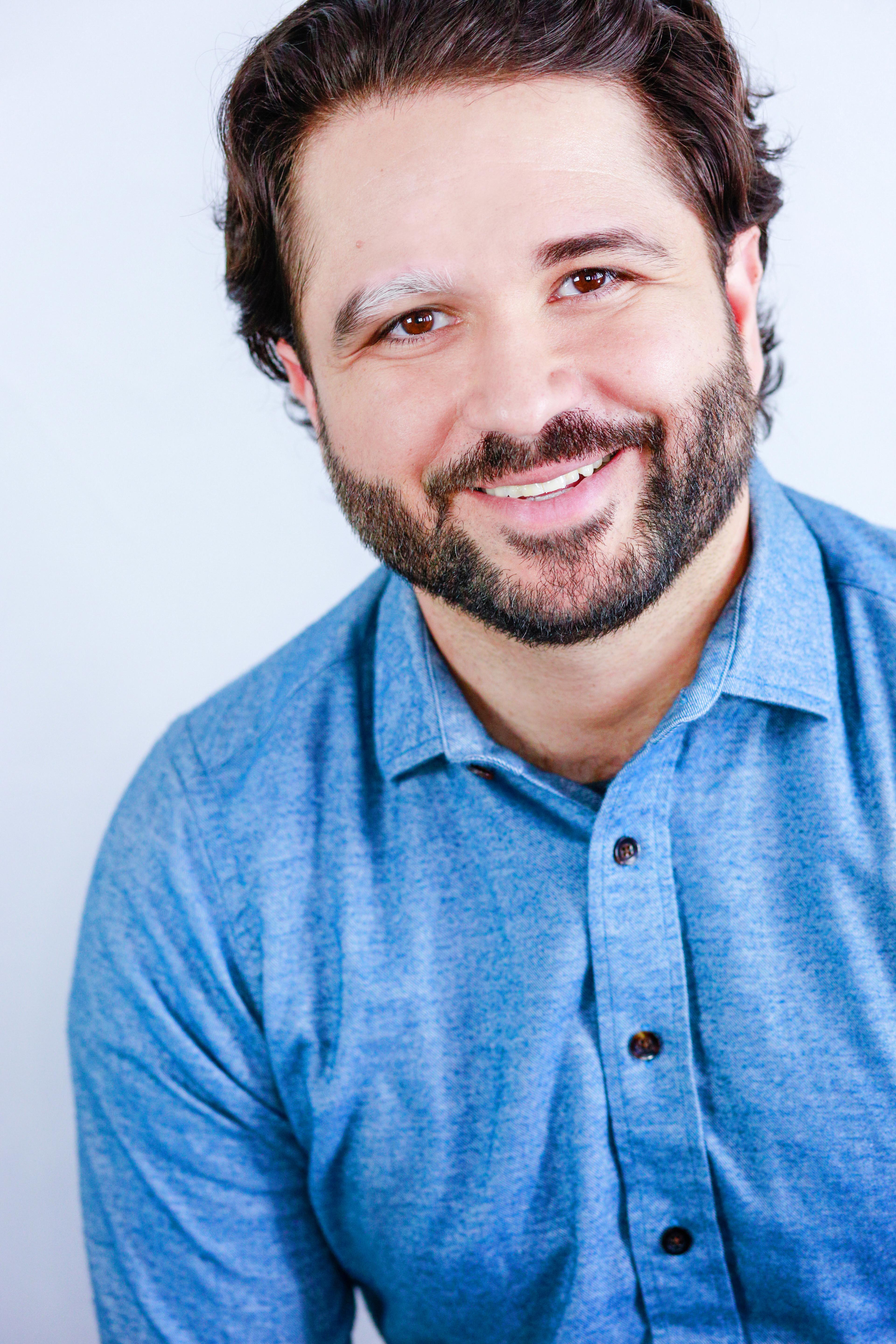
Understanding people means understanding the relationships that shape them.
Dr. Anthony Owliaie, a Licensed Marriage and Family Therapist and Doctor of Social Work, developed PCRDM through his nearly two decades of work with children, adolescents, adults, and families.
He uses PCRDM in his clinical practice, presented the model at the 2023 California Association of Marriage and Family Therapists (CAMFT) Conference, and offers PCRDM continuing education for professionals.
About Dr. Owliaie